
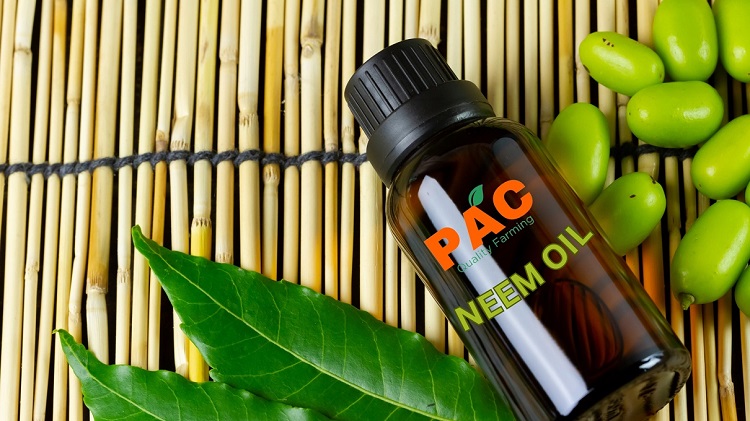
| Aspect | Description |
| Product Name | Neem Oil |
| Source | Extracted from the seeds of the neem tree (Azadirachta indica), a native plant in South Asia. |
| Appearance | Light to dark brown liquid with a pungent, garlic-like odor. |
| Composition | Rich in natural compounds like azadirachtin, nimbin, and limonoids, known for their pesticidal properties. |
| Uses | 1)Pest Control: Neem oil is a powerful, eco-friendly insecticide and fungicide, effective against a wide range of pests like aphids, whiteflies, and caterpillars. |
| 2)Disease Management: It helps in preventing and treating fungal diseases such as powdery mildew and rust. | |
| 3)Fertilizer Enhancer: Neem oil improves nutrient uptake in plants, promoting healthier growth. | |
| Importance | 1)Organic Farming: Neem oil is a cornerstone of organic farming due to its low environmental impact and minimal harm to beneficial insects. |
| 2)Reduced Chemical Use: It reduces the need for synthetic pesticides, minimizing chemical residues in crops. | |
| 3)Sustainable Agriculture: Neem trees are drought-resistant and require little water, making them suitable for sustainable farming in arid regions. | |
| 4)Soil Enhancement: Neem oil contributes to soil health by increasing microbial activity and organic matter content. | |
| 5)Safe for Bees: It poses minimal risk to pollinators like bees and is often used in integrated pest management (IPM) strategies. | |
| Availability | Neem oil is available in various formulations, including concentrated oil, ready-to-use sprays, and powder. |

Karanjgaon, Niphad, Dist- Nashik
Maharashtra, India, 422210.

+91 7620558570

Always Open.